Modern Lüks Araçlarda Süspansiyon Sorunlarının Araç Performansını Nasıl Etkilediği: Teknik Bir Kılavuz
TECH MASTER Tarafından Yayınlandı
Giriş
Modern lüks araçlar, konfor, yol tutuşu ve güvenlik dengesi sunacak şekilde tasarlanmıştır. Şehir sokaklarında veya otoyol hızlarında sürüş yaparken, süspansiyon sistemi yol darbelerini emmek ve lastiklerin yol yüzeyiyle temasını sürdürmek için sürekli çalışır.
Araçlar kilometre biriktirdikçe, süspansiyon bileşenleri yavaş yavaş aşınır. Erken belirtilerin çoğu ince ve genellikle lastik veya direksiyon sorunları olarak yanlış anlaşılır. Bu uyarı işaretlerini anlamak, araç sahiplerinin ve tamir profesyonellerinin daha ciddi mekanik arızalara yol açmadan sorunları teşhis etmelerine yardımcı olabilir.
Bu makale, mühendislik perspektifinden süspansiyon performansı, amortisörler ve soğutma sistemi güvenilirliği arasındaki ilişkiyi incelemektedir.
Amortisörün Rolünü Anlamak
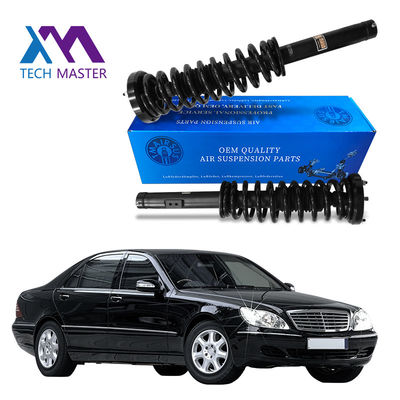
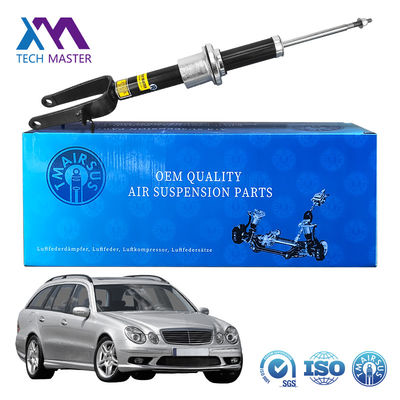
Yaygın bir yanılgı, amortisörlerin aracın ağırlığını desteklediğidir. Gerçekte, birincil işlevleri yay hareketini kontrol etmek ve hidrolik sönümleme yoluyla kinetik enerjiyi ısıya dönüştürmektir.
Etkili sönümleme olmadan, süspansiyon her tümsekten sonra salınmaya devam eder, bu da araç stabilitesini azaltır ve fren mesafesini artırır.
Düzgün çalışan bir amortisör şunlara yardımcı olur:
- Lastiklerin yolla temasını sürdürmek
- Direksiyon doğruluğunu iyileştirmek
- Viraj alırken gövde salınımını azaltmak
- Yolcu konforunu artırmak
- Diğer süspansiyon bileşenlerini aşırı darbeden korumak
Bu faydalar, gelişmiş şasi teknolojilerine sahip araçlarda özellikle önemlidir.
Süspansiyon Aşınmasının Yaygın Belirtileri
Süspansiyon sorunları nadiren gece olur. Bunun yerine, bileşenler uzun vadeli mekanik strese maruz kaldıkça performans yavaş yavaş düşer.
Tipik belirtiler şunlardır:
Aşırı Araç Zıplaması
Araç bir hız tümseğinden geçerken zıplamaya devam ediyorsa, amortisör artık yeterli sönümleme kuvveti sağlamıyor olabilir.
Düzensiz Lastik Aşınması
Kötü süspansiyon kontrolü, dişin bir tarafında erken aşınmaya neden olan düzensiz lastik temasına neden olabilir.
Direksiyon Kararsızlığı
Sürücüler, şerit değiştirirken direksiyon tepkisinde gecikme veya güven azalması fark edebilirler.
Süspansiyon Gürültüsü
Tıkırtı veya çıngırak sesleri, aşınmış montaj parçaları, burçlar veya iç amortisör hasarı anlamına gelebilir.
Daha Uzun Fren Mesafesi
Süspansiyon hareketi düzgün kontrol edilmediğinde, frenleme sırasında lastik tutuşu azalır ve durma performansı etkilenir.
Bileşen Eşleştirmesinin Neden Kritik Olduğu
Modern süspansiyon sistemleri, bireysel parçalar yerine tam montajlar olarak tasarlanmıştır.
İlgili parçaları incelemeden yalnızca bir aşınmış bileşeni değiştirmek, genel sistem performansını düşürebilir.
Profesyonel teknisyenler genellikle şunları değerlendirmeyi önerir:
- Amortisörler
- Helezon yaylar
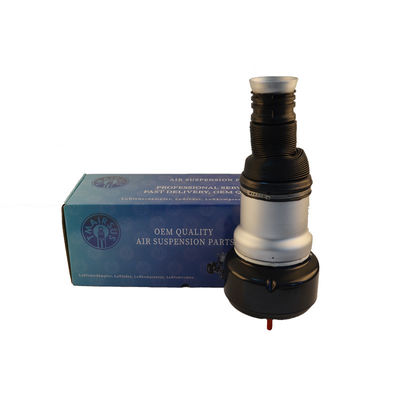
- Hava süspansiyonu bileşenleri
- Kontrol kolları
- Burçlar
- Rotiller
- Süspansiyon montajları
Dengeli bir süspansiyon sistemi daha tutarlı yol tutuşu ve daha uzun hizmet ömrü sağlar.
Hava Süspansiyon Sistemleri Ek Dikkat Gerektirir
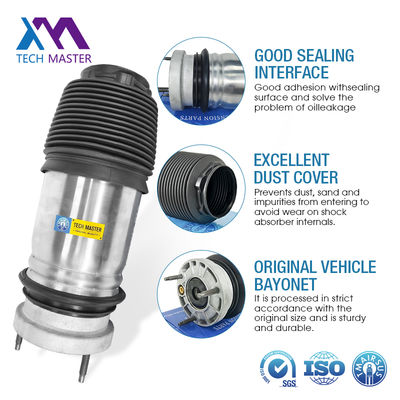
Birçok premium araç, geleneksel helezon yay sistemleri yerine elektronik kontrollü hava süspansiyonu kullanır.
Hava süspansiyonu ayarlanabilir sürüş yüksekliği ve gelişmiş konfor sunar, ancak düzenli inceleme gerektiren ek bileşenler de içerir.
Bakım şunları içermelidir:
- Hava yayları
- Kompresörler
- Valf blokları
- Yükseklik sensörleri
- Hava hatları
Sızıntıların veya basınç kaybının erken tespiti, kompresör aşırı yüklenmesini önleyebilir ve onarım maliyetlerini azaltabilir.
Süspansiyon ve Soğutma Sistemleri Arasındaki Bağlantı
Süspansiyon ve motor soğutma sistemleri farklı işlevler yerine getirse de, her ikisi de araç güvenilirliğine katkıda bulunur.
Süspansiyon bileşenleri sürekli mekanik hareket yaşarken, soğutma sistemleri sürekli termal stres altında çalışır.
Güvenilir soğutma, aşağıdaki gibi bileşenlere bağlıdır:
- Radyatörler
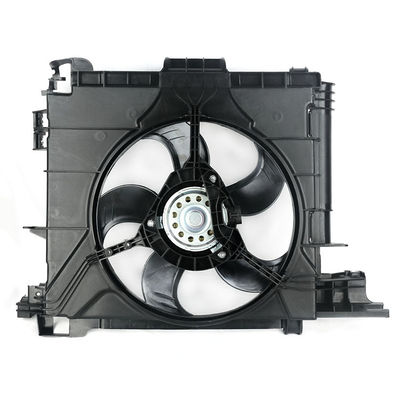
- Soğutma fanı montajları
- Genişletme tankları
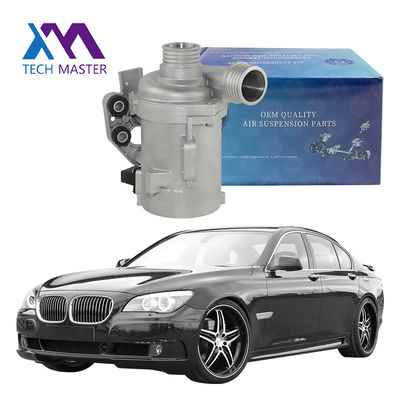
- Su pompaları
- Termostatlar
Düzgün ısı yönetimi, motor verimliliğini korumaya yardımcı olur, tıpkı etkili süspansiyon sönümlemesinin araç stabilitesini koruması gibi.
Her iki sistem de uzun hizmet ömrü elde etmek için hassas üretim, dayanıklı malzemeler ve doğru kurulum gerektirir.
Yedek Parça Seçerken Mühendislik Hususları
Süspansiyon veya soğutma bileşenlerini değiştirirken, teknik özellikler görünümden daha önemlidir.
Profesyoneller genellikle şunları değerlendirir:
- Malzeme kalitesi
- Üretim doğruluğu
- Korozyon direnci
- Boyutsal tutarlılık
- Performans testi
- Araç uyumluluğu
Bu faktörler, güvenilirlik ve uzun vadeli işletme performansı üzerinde doğrudan bir etkiye sahiptir.
TECH MASTER'ın Mühendislik Odağı
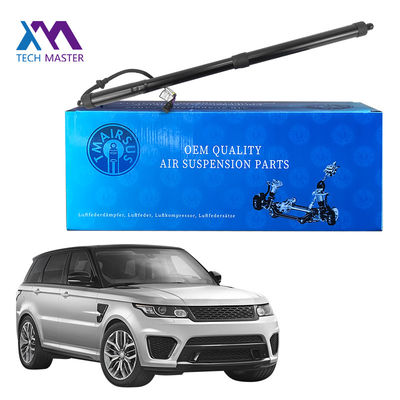
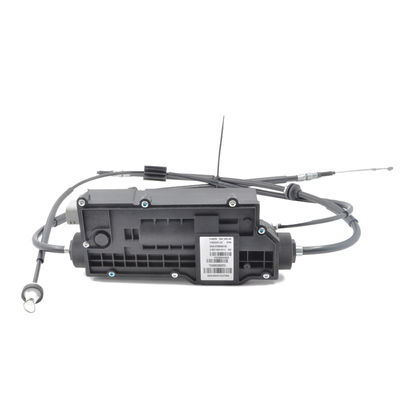
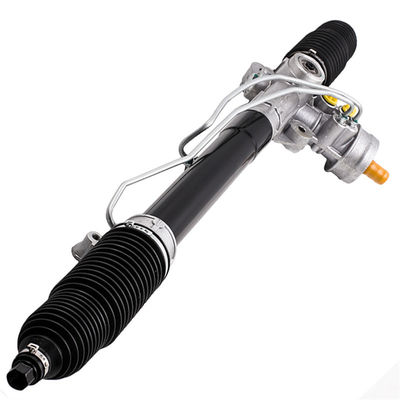
TECH MASTER, Mercedes-Benz, BMW, Audi ve Porsche uygulamaları için satış sonrası süspansiyon ve soğutma sistemi bileşenleri geliştirmede uzmanlaşmıştır.
Ürün yelpazesi amortisörler, hava süspansiyonu bileşenleri, radyatörler, soğutma fanı montajları ve ilgili yedek parçaları içerir.
Hassas mühendislik, üretim tutarlılığı ve sıkı kalite kontrolü vurgulayarak, TECH MASTER tamir profesyonellerini ve distribütörlerini güvenilir otomotiv çözümleriyle desteklemektedir.
Sonuç
Araç performansı, süspansiyon ve soğutmanın özellikle önemli roller oynadığı birden fazla sistemin birleşik çalışmasına bağlıdır.
Bu sistemlerin nasıl çalıştığını anlamak ve aşınmanın erken belirtilerini tanımak, bakım maliyetlerini düşürmeye, sürüş güvenliğini artırmaya ve araç hizmet ömrünü uzatmaya yardımcı olur.
Otomotiv teknolojisi gelişmeye devam ettikçe, mühendislik kalitesi ve bileşen hassasiyeti, güvenilir satış sonrası yedek çözümleri sunmada temel faktörler olmaya devam etmektedir.


 Mesajınız 20-3.000 karakter arasında olmalıdır!